
"coffee production Ethiopia"
10000 article(s) found
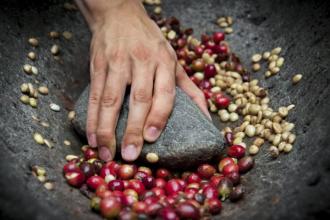
Taste characteristics of Solar fermented Natural Ethiopian Coffee introduction to Fine Coffee Bean in Manor
Ethiopia has unique natural conditions suitable for growing all imaginable varieties of coffee. As a upland crop, Ethiopian coffee beans are mainly grown in areas between 1100 and 2300 meters above sea level, roughly distributed in southern Ethiopia. Deep soil, well drained soil, weakly acidic soil, laterite and soil are soft and contain
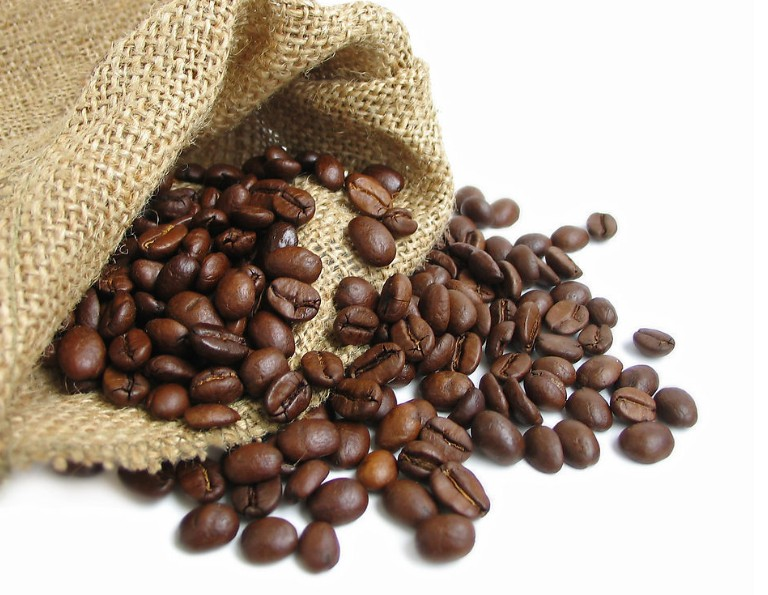
Natural fermentation, mellow and sun-dried Ethiopian coffee flavor, characteristics, taste and manor introduction
Ethiopia has unique natural conditions suitable for growing all imaginable varieties of coffee. As a upland crop, Ethiopian coffee beans are mainly grown in areas between 1100 and 2300 meters above sea level, roughly distributed in southern Ethiopia. Deep soil, well drained soil, weakly acidic soil, laterite and soil are soft and contain

Production and processing of coffee beans in Ethiopia
Ethiopia (Ethiopia) is one of the major producers of Arab coffee beans in Africa, producing the best Arab mocha beans in the world. It is said that coffee beans were first discovered by shepherds in the Kafa region of Ethiopia, and the name of coffee evolved from Kafa, so Ethiopia is still the hometown of coffee. Production and processing of coffee beans in Ethiopia

Characteristics of natural fermented, mellow and insolated Ethiopian coffee varieties taste manor boutique coffee bean flavor
Ethiopia has unique natural conditions suitable for growing all imaginable varieties of coffee. As a upland crop, Ethiopian coffee beans are mainly grown in areas between 1100 and 2300 meters above sea level, roughly distributed in southern Ethiopia. Deep soil, well drained soil, weakly acidic soil, laterite and soil are soft and contain

Ethiopia Sidamoth Estate Coffee Flavor Description Grind Treatment Taste Region Introduction
From a historical point of view, coffee has a great relationship with the history and religious culture of Ethiopia. In ancient times, Ethiopia was called Abyssinia, which was the country of Axum and belonged to the Solomon Dynasty. According to literature records, Hamitic people migrated from Asia Minor to present-day Ethiopia. Semitic merchants from about 7 BC

Variety characteristics of naturally fermented sun-cured Ethiopian coffee introduction to the flavor of fine coffee beans in the manor
Ethiopia has unique natural conditions suitable for growing all imaginable varieties of coffee. As a upland crop, Ethiopian coffee beans are mainly grown in areas between 1100 and 2300 meters above sea level, roughly distributed in southern Ethiopia. Deep soil, well drained soil, weakly acidic soil, laterite and soil are soft and contain

Taste characteristics of natural Ethiopian coffee fermented in the sun introduction to the flavor of fine coffee beans in the manor
Ethiopia has unique natural conditions suitable for growing all imaginable varieties of coffee. As a upland crop, Ethiopian coffee beans are mainly grown in areas between 1100 and 2300 meters above sea level, roughly distributed in southern Ethiopia. Deep soil, well drained soil, weakly acidic soil, laterite and soil are soft and contain
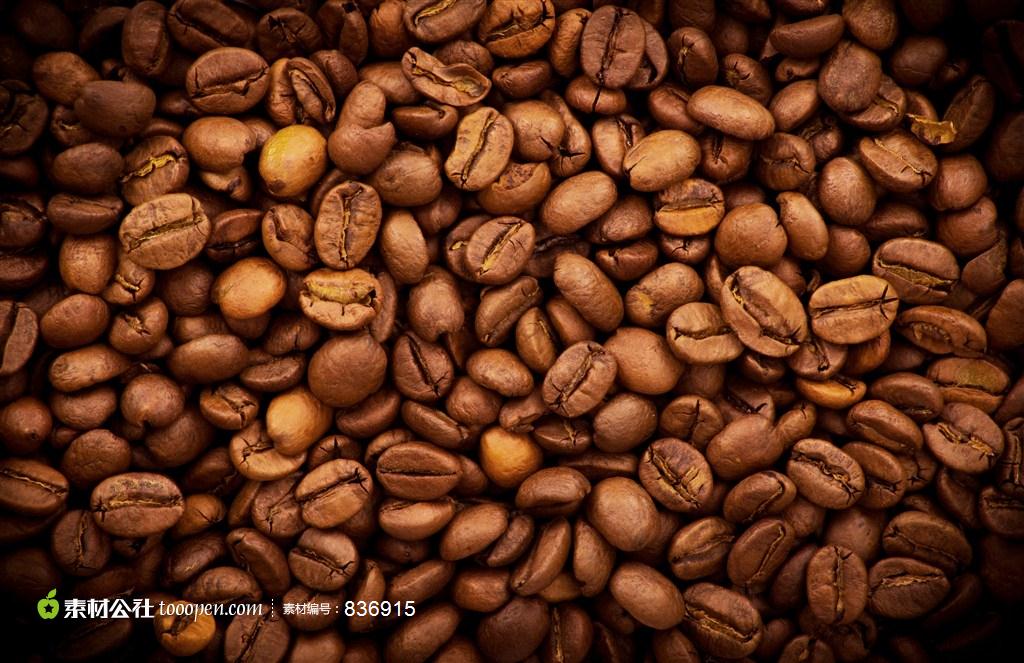
Introduction to the flavor of high-quality coffee beans in the manor characteristics of natural Ethiopian coffee fermented in the sun
Ethiopia has unique natural conditions suitable for growing all imaginable varieties of coffee. As a upland crop, Ethiopian coffee beans are mainly grown in areas between 1100 and 2300 meters above sea level, roughly distributed in southern Ethiopia. Deep soil, well drained soil, weakly acidic soil, laterite and soil are soft and contain

A brief introduction to the description of Coffee Flavor and aroma characteristics of Coffee Manor in Ethiopia (Moka)
Due to different planting methods, coffee can be divided into three types: forest-semi-forest coffee (Forest or semi-forest coffee), courtyard coffee (Garden coffee) and plantation coffee (Plantation coffee). 60% of the coffee belongs to forest-semi-forest coffee. In such a wild coffee forest, pesticides are not used at all, but biological methods are used to control pests. 35% of the coffee
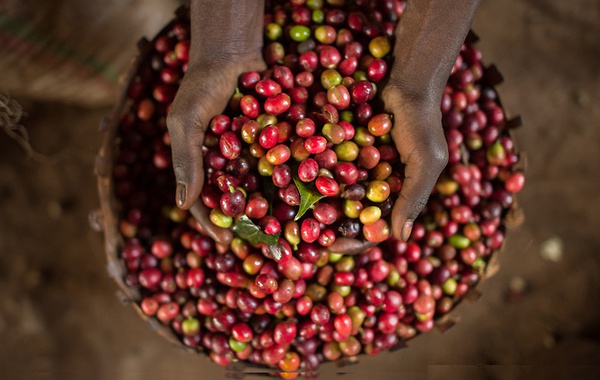
Coffee from Ethiopia, the birthplace of coffee, introduces how Ethiopian coffee powder
Ethiopia is one of the major producers of Arabica coffee in Africa, producing the best Arabian coffee in the world. It is said that coffee was first discovered by shepherds in Essekafa, and the name of coffee evolved from Kafa, so Essex is still the hometown of coffee. The geographical environment of coffee production and processing is very suitable for coffee growth. Coffee is mainly cultivated.

Ethiopia native seed washing Lim production area Chishi deed treatment plant in the southwest of Ethiopia
Professional coffee knowledge exchange more coffee bean information please follow coffee workshop (Wechat official account cafe_style) Guojia: Ethiopia (Ethiopia) production area: Limu (processing plant: Chishi deed processing plant Haiba: 1850 1900 m varieties: Ethiopian native species (Heirloom) producer: local smallholder treatment water washing treatment (

Ethiopia's Best Coffee Brand | G1 washing from Sheffield Village, Cochel Town, Yega Xuefei production area
Professional coffee knowledge exchange more coffee bean information please follow the coffee workshop (Wechat official account cafe_style) front street-Ethiopia Yega Sheffield Cochel Town Xuefu Village G1 brief introduction Ethiopia washed Yega Sheffield Cochel Town Xuefu Village G1 Ethiopia Yirgacheffe Kochere Shifo Washed G1 flavor description: White flower notes, sweet peach, full

Ethiopia pays attention to China to improve the overall value chain of its own coffee
Professional coffee knowledge exchange more coffee bean information please follow the coffee workshop (Wechat official account cafe_style) [Global Times reporter Zhao Jueyi] from the old coffee chain Starbucks to the industry upstart Ruixing, and even some convenience stores have put up signs of selected Arabica coffee at the door to promote the quality of their own coffee. As we all know, coffee varieties such as Arabica originated in East Africa.
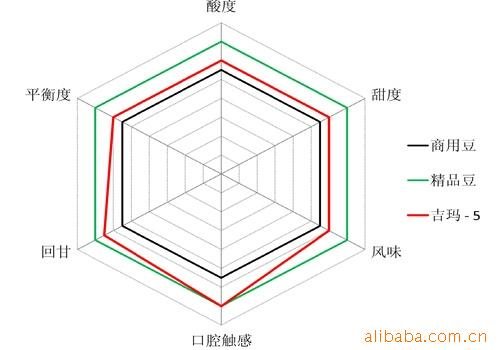
African Coffee Manor Ethiopia Gemma Coffee Raw Bean DjimmaG4 Sun Mocha Flavor
CONTENT [product name] Gemma Djimma [place] Ethiopia (Ethiopia) [place] sun [baking] recommended baking degree: deep baking [cup review] slightly sour, full and complex palate, special fruity aroma (similar to earthy or herbaceous) Gemma is close to Harald's complex wildness in style, slightly bitter on the palate, low acidity, warm and full-bodied taste.

Details of 90 + series beans. The difference between top coffee, how to drink it after grinding into coffee powder?
Professional coffee knowledge exchange more coffee bean information please follow Coffee Workshop (Wechat official account cafe_style) Rose Summer Coffee beans Panama Ninety Plus 90 + Lot # NP-236-C: Limited Jos Alfredo Panama Ninety Plus 90 + Sun Rose Summer 2017 bidding country: Bana

Ethiopia compared to the "Yega Snow Fei" Day, Yega Chefe Coffee has a special taste.
More Coffee knowledge Exchange Please contact Coffee Workshop (Wechat account cafe_style) Front Street-Yega Xuefei Daily G1Yega Xuefei G1 Ethiopia Natural Yirgacheffe Chelelektu 01 | Yirgacheffe is a small restaurant in Ethiopia, 1700-2100 meters above sea level.

Ethiopian Coffee Culture Coffee Flavor characteristics of different producing areas in Ethiopia
Ethiopia is recognized as the birthplace of coffee, and the coffee produced is also highly respected in the boutique coffee market, and Ethiopian coffee is almost available on the menus of coffee shops around the world. But why is Ethiopian coffee so well received? How well do you know this coffee-producing country? Ethiopia's producing areas vary greatly, with each producing area, micro-producing area and even farm production.

Kochel, an African boutique manor, is located in Ethiopia, Ethiopia and washed with water.
Cochel is located in a small producing area 25 kilometers southeast of Yegashafi, Ethiopia. It is a rich area for coffee production. It is also one of the three famous and micro-producing areas of Yegashafi. It has about 100,000 local residents, and coffee beans are the main source of income. The processing and processing equipment in this area is very advanced. CoffeeReview, a well-known coffee evaluation website, gave Kocher a high rating of 94 points for washed beans.

Flavor description and production of Guji Tasha ya purple wind chimes G1 in Ethiopia
Professional coffee knowledge exchange more coffee bean information please follow the coffee workshop (Wechat official account cafe_style) Sobia sun Guji Tasha purple wind chimes G1 Ethiopia Guji Natural Dasaya G1 Ethiopia (Ethiopia) producing area Oromia Region (Guji Zone) Shakisso Wore

Flavor characteristics, production area and cooking parameters of single bean in Yega Fischer area
For the exchange of professional baristas, please pay attention to the flavor characteristics, production areas and brewing parameters of individual beans in the coffee workshop (Wechat official account cafe_style). Ethiopia Cochel washing Debu G1 Ethiopia Kochere Washed DEBU G1 ■ country: Ethiopia ■ producing area: Cochel, Debu ■ altitude: 1600m-2500m ■ treatment